Buy spcnetwork.eu ?
We are moving the project
spcnetwork.eu .
Are you interested in purchasing the domain
spcnetwork.eu ?
domain@kv-gmbh.de · 0541-91531010
Buy spcnetwork.eu ?
What is the exact hardware and software difference between UEFI and Legacy, and Secure Boot ROMs?
UEFI (Unified Extensible Firmware Interface) is a modern firmware interface that provides advanced features such as a graphical user interface, support for larger hard drives, and faster boot times. Legacy BIOS, on the other hand, is an older firmware interface that lacks these advanced features and is limited in its capabilities. Secure Boot is a feature of UEFI that ensures that only trusted software is loaded during the boot process, preventing malware from hijacking the boot process. Legacy BIOS does not have this feature. In terms of hardware, UEFI requires a 64-bit processor and a GPT (GUID Partition Table) formatted hard drive, while Legacy BIOS can work with 32-bit processors and MBR (Master Boot Record) formatted hard drives. **
What is UEFI?
UEFI stands for Unified Extensible Firmware Interface. It is a modern replacement for the traditional BIOS firmware used to boot a computer. UEFI provides a more advanced and flexible interface for managing the boot process, including support for larger hard drives, faster boot times, and improved security features. It also supports the use of graphical interfaces and mouse input, making it more user-friendly than the older BIOS system. Overall, UEFI is a more advanced and versatile firmware interface for modern computers. **

Similar search terms for Uefi
Top-Angebote
Products related to Uefi:
-
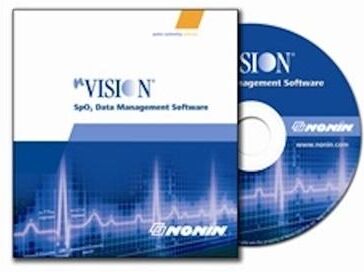
Nonin Medical nVision Data Management Software for Oximetry Screening""" nVision SpO2 Data Management Software Nonin's innovation in pulse oximetry has led to the development of an easy oximetry reporting solution nVISION. Designed to provide effortless viewing, professional analysis, report generation and reliable..."441,00 $*Shipping: 0,00 $Secure redirect to the provider
-
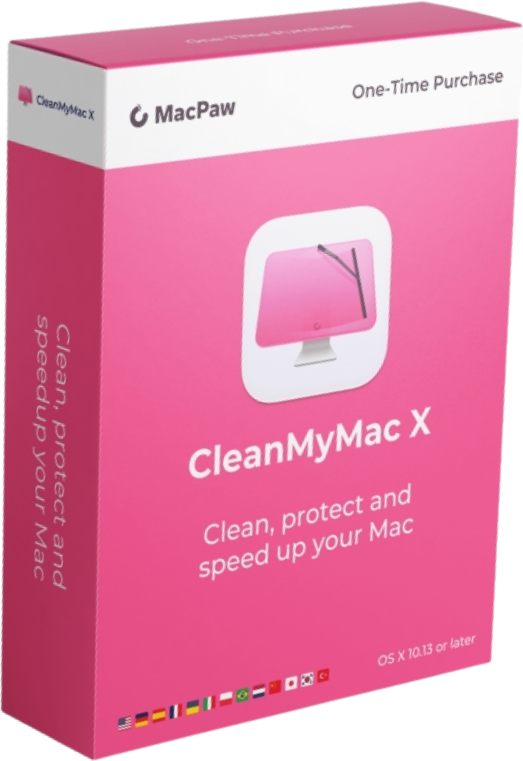
Mac Paw CleanMyMac X - Mac Cleaning and Optimisation Software - Lifetime LicenceCleanMyMac X - Mac Cleaning and Optimisation Software Lifetime Licence Clean, Optimise and Protect Your Mac with CleanMyMac X CleanMyMac X is the best cleaning and optimisation software for Mac, designed to free up disk space, speed up macOS and protect your computer from malware and viruses. Chosen by millions of users worldwide, CleanMyMac X is the professional solution to keep your MacBook, iMac or Mac Mini in perfect condition. Why Choose CleanMyMac X? Deep Cleaning the Mac Remove junk files, system caches, obsolete logs and temporary files that take up valuable disk space. CleanMyMac X can free up tens of gigabytes with a single click, optimising the performance of your Mac. MacOS Performance Optimisation Speed up your Mac by eliminating applications that start automatically, unnecessary background processes and scripts that slow down the system. Ideal for Slow Mac or with performance problems. Antivirus and Antimalware Protection Full scan to detect and remove Mac viruses, adware, spyware and ransomware . Constantly updated database to protect your device from the latest cyber threats. Complete Uninstallation of Applications It completely removes unwanted apps along with all residual files, extensions and hidden preferences that other uninstallation methods leave on the system. Main features of CleanMyMac X ✓ Smart Scan - Automatic scanning that analyses cleanliness, protection and speed ✓ Freeing Disk Space - Finds and removes duplicate files, heavy email attachments and forgotten downloads ✓ Software Update - Keep all your applications up-to-date from a single interface ✓ System Monitoring - Menu bar widget to check CPU, RAM, battery and disk space in real time ✓ MacOS maintenance - Automatic scripts to optimise databases, repair permissions and free RAM ✓ Privacy and Security - Delete browsing history, cookies and digital traces Compatibility and Requirements Operating System macOS 10.13 High Sierra or later Compatible with : MacBook Air, MacBook Pro, iMac, Mac Mini, Mac Studio, Mac Pro Support macOS Sonoma, Ventura, Monterey, Big Sur, Catalina, Mojave Certified and Safe CleanMyMac X is Apple Certified with notarised signatures, guaranteeing maximum security and reliability. Developed by MacPaw, a leading Mac software company since 2008. Buy CleanMyMac X - Lifetime Licence Get the CleanMyMac X lifetime licence to protect and optimise your Mac. Available as a single or multi-device version. Updates included and technical support guaranteed. Keywords : Mac cleaning, macOS optimisation, Mac antivirus, free up Mac space, speed up Mac, Mac maintenance software, clean Mac disk, remove Mac malware77,81 £*Shipping: 0,00 £Secure redirect to the provider


-
Who programs the BIOS/UEFI?
The BIOS/UEFI is typically programmed by the manufacturer of the computer's motherboard. It is a low-level software that initializes hardware components and provides the necessary instructions for the operating system to boot up. The BIOS/UEFI settings can be accessed and modified by the user to configure hardware settings and perform system updates. **
-
"Am I trapped in UEFI?"
If you are experiencing difficulties accessing or exiting the UEFI (Unified Extensible Firmware Interface) on your computer, it may feel like you are trapped in it. However, there are ways to navigate and troubleshoot issues within the UEFI settings. You can try restarting your computer, accessing the manufacturer's support website for guidance, or seeking help from a professional technician if needed. Remember that UEFI is a crucial component of your computer's boot process, so it's important to handle it with care and seek assistance if you are unsure. **
-
How do I install UEFI?
To install UEFI (Unified Extensible Firmware Interface), you will need to access your computer's BIOS settings. Restart your computer and enter the BIOS by pressing a specific key (usually F2, F10, or Del) during startup. Once in the BIOS, navigate to the Boot menu and look for an option to enable UEFI mode. Save your changes and exit the BIOS. When you install a new operating system, make sure to select the UEFI boot option to take advantage of the UEFI firmware. **
-
Why can't UEFI be opened?
UEFI (Unified Extensible Firmware Interface) cannot be "opened" in the traditional sense because it is a low-level software that is integrated into the motherboard of a computer. It is not a standalone application that can be opened like a regular software program. UEFI is responsible for initializing the hardware components of the computer and loading the operating system, and it operates independently of the operating system once the computer is powered on. Accessing and modifying UEFI settings typically requires entering the system's BIOS or UEFI setup utility during the boot process. **


How can I create a multiboot USB stick for UEFI to chainload UEFI ISOs with GRUB2, either using GRUB4DOS or Memdisk for UEFI?
To create a multiboot USB stick for UEFI to chainload UEFI ISOs with GRUB2, you can follow these steps: 1. Install GRUB2 on the USB stick. 2. Create a directory on the USB stick to store the ISO files. 3. Use GRUB2's loopback feature to boot the ISO files directly from the USB stick. 4. Configure GRUB2 to chainload the UEFI ISOs by adding menu entries for each ISO in the GRUB configuration file. By following these steps, you can create a multiboot USB stick for UEFI that can chainload UEFI ISOs using GRUB2, either with GRUB4DOS or Memdisk for UEFI. **
How do I update the UEFI?
To update the UEFI (Unified Extensible Firmware Interface) on your computer, you will need to visit the website of your computer's manufacturer and look for the latest UEFI firmware update for your specific model. Download the update file and follow the manufacturer's instructions for installing the update. This may involve creating a bootable USB drive, entering the UEFI setup utility, and selecting the option to update the firmware. It's important to carefully follow the manufacturer's instructions to avoid any potential issues with the update process. Keep in mind that updating the UEFI carries some risk, so it's important to ensure that the update is necessary and that you understand the potential consequences. **
Top-Angebote
Products related to Uefi:
-
All Categories Goods LED Solar Security Light Dual Motion Sensor Outdoor Floodlight With LED Technology For Energy Efficient Illumination LED Solar Security Light Dual Motion Sensor Outdoor Floodlight With LED Technology For Energy Efficient IlluminationBrighten your outdoor space with the 1 pcs of 22 LED Solar Security Light, designed for maximum visibility and security. Powered by ecofriendly solar energy, this motion sensor floodlight activates when movement is detected, offering both...63,97 $*Shipping: 0,00 $Secure redirect to the provider
-
Nonin Medical nVision Data Management Software for Oximetry Screening""" nVision SpO2 Data Management Software Nonin's innovation in pulse oximetry has led to the development of an easy oximetry reporting solution nVISION. Designed to provide effortless viewing, professional analysis, report generation and reliable..."441,00 $*Shipping: 0,00 $Secure redirect to the provider
-
What is the exact hardware and software difference between UEFI and Legacy, and Secure Boot ROMs?
UEFI (Unified Extensible Firmware Interface) is a modern firmware interface that provides advanced features such as a graphical user interface, support for larger hard drives, and faster boot times. Legacy BIOS, on the other hand, is an older firmware interface that lacks these advanced features and is limited in its capabilities. Secure Boot is a feature of UEFI that ensures that only trusted software is loaded during the boot process, preventing malware from hijacking the boot process. Legacy BIOS does not have this feature. In terms of hardware, UEFI requires a 64-bit processor and a GPT (GUID Partition Table) formatted hard drive, while Legacy BIOS can work with 32-bit processors and MBR (Master Boot Record) formatted hard drives. **
-
What is UEFI?
UEFI stands for Unified Extensible Firmware Interface. It is a modern replacement for the traditional BIOS firmware used to boot a computer. UEFI provides a more advanced and flexible interface for managing the boot process, including support for larger hard drives, faster boot times, and improved security features. It also supports the use of graphical interfaces and mouse input, making it more user-friendly than the older BIOS system. Overall, UEFI is a more advanced and versatile firmware interface for modern computers. **
-
Who programs the BIOS/UEFI?
The BIOS/UEFI is typically programmed by the manufacturer of the computer's motherboard. It is a low-level software that initializes hardware components and provides the necessary instructions for the operating system to boot up. The BIOS/UEFI settings can be accessed and modified by the user to configure hardware settings and perform system updates. **
-
"Am I trapped in UEFI?"
If you are experiencing difficulties accessing or exiting the UEFI (Unified Extensible Firmware Interface) on your computer, it may feel like you are trapped in it. However, there are ways to navigate and troubleshoot issues within the UEFI settings. You can try restarting your computer, accessing the manufacturer's support website for guidance, or seeking help from a professional technician if needed. Remember that UEFI is a crucial component of your computer's boot process, so it's important to handle it with care and seek assistance if you are unsure. **
Similar search terms for Uefi
-
Mac Paw CleanMyMac X - Mac Cleaning and Optimisation Software - Lifetime LicenceCleanMyMac X - Mac Cleaning and Optimisation Software Lifetime Licence Clean, Optimise and Protect Your Mac with CleanMyMac X CleanMyMac X is the best cleaning and optimisation software for Mac, designed to free up disk space, speed up macOS and protect your computer from malware and viruses. Chosen by millions of users worldwide, CleanMyMac X is the professional solution to keep your MacBook, iMac or Mac Mini in perfect condition. Why Choose CleanMyMac X? Deep Cleaning the Mac Remove junk files, system caches, obsolete logs and temporary files that take up valuable disk space. CleanMyMac X can free up tens of gigabytes with a single click, optimising the performance of your Mac. MacOS Performance Optimisation Speed up your Mac by eliminating applications that start automatically, unnecessary background processes and scripts that slow down the system. Ideal for Slow Mac or with performance problems. Antivirus and Antimalware Protection Full scan to detect and remove Mac viruses, adware, spyware and ransomware . Constantly updated database to protect your device from the latest cyber threats. Complete Uninstallation of Applications It completely removes unwanted apps along with all residual files, extensions and hidden preferences that other uninstallation methods leave on the system. Main features of CleanMyMac X ✓ Smart Scan - Automatic scanning that analyses cleanliness, protection and speed ✓ Freeing Disk Space - Finds and removes duplicate files, heavy email attachments and forgotten downloads ✓ Software Update - Keep all your applications up-to-date from a single interface ✓ System Monitoring - Menu bar widget to check CPU, RAM, battery and disk space in real time ✓ MacOS maintenance - Automatic scripts to optimise databases, repair permissions and free RAM ✓ Privacy and Security - Delete browsing history, cookies and digital traces Compatibility and Requirements Operating System macOS 10.13 High Sierra or later Compatible with : MacBook Air, MacBook Pro, iMac, Mac Mini, Mac Studio, Mac Pro Support macOS Sonoma, Ventura, Monterey, Big Sur, Catalina, Mojave Certified and Safe CleanMyMac X is Apple Certified with notarised signatures, guaranteeing maximum security and reliability. Developed by MacPaw, a leading Mac software company since 2008. Buy CleanMyMac X - Lifetime Licence Get the CleanMyMac X lifetime licence to protect and optimise your Mac. Available as a single or multi-device version. Updates included and technical support guaranteed. Keywords : Mac cleaning, macOS optimisation, Mac antivirus, free up Mac space, speed up Mac, Mac maintenance software, clean Mac disk, remove Mac malware77,81 £*Shipping: 0,00 £Secure redirect to the provider
-
How do I install UEFI?
To install UEFI (Unified Extensible Firmware Interface), you will need to access your computer's BIOS settings. Restart your computer and enter the BIOS by pressing a specific key (usually F2, F10, or Del) during startup. Once in the BIOS, navigate to the Boot menu and look for an option to enable UEFI mode. Save your changes and exit the BIOS. When you install a new operating system, make sure to select the UEFI boot option to take advantage of the UEFI firmware. **
-
Why can't UEFI be opened?
UEFI (Unified Extensible Firmware Interface) cannot be "opened" in the traditional sense because it is a low-level software that is integrated into the motherboard of a computer. It is not a standalone application that can be opened like a regular software program. UEFI is responsible for initializing the hardware components of the computer and loading the operating system, and it operates independently of the operating system once the computer is powered on. Accessing and modifying UEFI settings typically requires entering the system's BIOS or UEFI setup utility during the boot process. **
-
How can I create a multiboot USB stick for UEFI to chainload UEFI ISOs with GRUB2, either using GRUB4DOS or Memdisk for UEFI?
To create a multiboot USB stick for UEFI to chainload UEFI ISOs with GRUB2, you can follow these steps: 1. Install GRUB2 on the USB stick. 2. Create a directory on the USB stick to store the ISO files. 3. Use GRUB2's loopback feature to boot the ISO files directly from the USB stick. 4. Configure GRUB2 to chainload the UEFI ISOs by adding menu entries for each ISO in the GRUB configuration file. By following these steps, you can create a multiboot USB stick for UEFI that can chainload UEFI ISOs using GRUB2, either with GRUB4DOS or Memdisk for UEFI. **
-
How do I update the UEFI?
To update the UEFI (Unified Extensible Firmware Interface) on your computer, you will need to visit the website of your computer's manufacturer and look for the latest UEFI firmware update for your specific model. Download the update file and follow the manufacturer's instructions for installing the update. This may involve creating a bootable USB drive, entering the UEFI setup utility, and selecting the option to update the firmware. It's important to carefully follow the manufacturer's instructions to avoid any potential issues with the update process. Keep in mind that updating the UEFI carries some risk, so it's important to ensure that the update is necessary and that you understand the potential consequences. **
* All prices are inclusive of VAT and, if applicable, plus shipping costs. The offer information is based on the details provided by the respective shop and is updated through automated processes. Real-time updates do not occur, so deviations can occur in individual cases. ** Note: Parts of this content were created by AI.