Buy spcnetwork.eu ?
We are moving the project
spcnetwork.eu .
Are you interested in purchasing the domain
spcnetwork.eu ?
domain@kv-gmbh.de · 0541-91531010
Buy spcnetwork.eu ?
How is the venous access performed as a radiologic technologist?
As a radiologic technologist, venous access is typically performed by inserting an intravenous (IV) catheter into a patient's vein. This is done to administer contrast media for various imaging procedures such as CT scans, MRI scans, and angiography. The technologist will first assess the patient's veins to determine the best location for the IV insertion. They will then clean the area, apply a tourniquet to help visualize the vein, and carefully insert the IV catheter. Once the catheter is in place, the technologist will secure it and ensure proper flow of contrast media during the imaging procedure. **
What does a typical workday look like for a radiologic technologist?
A typical workday for a radiologic technologist involves preparing patients for imaging procedures, operating imaging equipment to capture diagnostic images, and ensuring the quality of the images produced. They work closely with radiologists to analyze images and provide accurate information for diagnosis. Radiologic technologists also maintain patient records, follow safety protocols, and communicate with patients to ensure their comfort and understanding throughout the imaging process. Additionally, they may assist with administrative tasks and participate in continuing education to stay current with advancements in the field. **

Similar search terms for Radiologic
Top-Angebote
Products related to Radiologic:
-
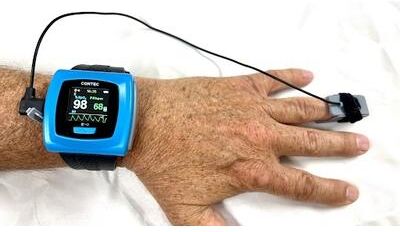
Concord Health Supply Wrist-Worn Pulse Oximeter with Digital Software Download and Download Cable""" Rechargeable Wrist-Worn Pulse Oximeter The wrist pulse oximeter features a color, multi-direction OLED screen with four levels of brightness. The easy-to-read color OLED display can be adjusted to be readable either horizontally or vertically. The..."109,00 $*Shipping: 0,00 $Secure redirect to the provider
-
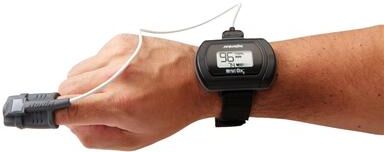
Nonin Medical Nonin WristOx2 Starter Kit 3150SK USB Wrist-Worn Pulse Oximeter with nVision software and download cable""" Find this product at a lower published price from another authorized dealer? Give us a call: we will beat the price and give you a free fingertip pulse oximeter with your purchase. WristOx2 3150SK Wrist-Worn Pulse Oximeter Starter Kit A small,..."1199,00 $*Shipping: 0,00 $Secure redirect to the provider
-
Graco Oasis Swing + Soothe Surround Technology - LandryNothing is better than Mom, but the Graco Soothe Surround technology mimics time-tested, proven methods that parents use to soothe their little ones within our Oasis Swing. Soothe Surround recreates these soothing techniques, like the middle of the...129,99 $*Shipping: 0,00 $Secure redirect to the provider
-
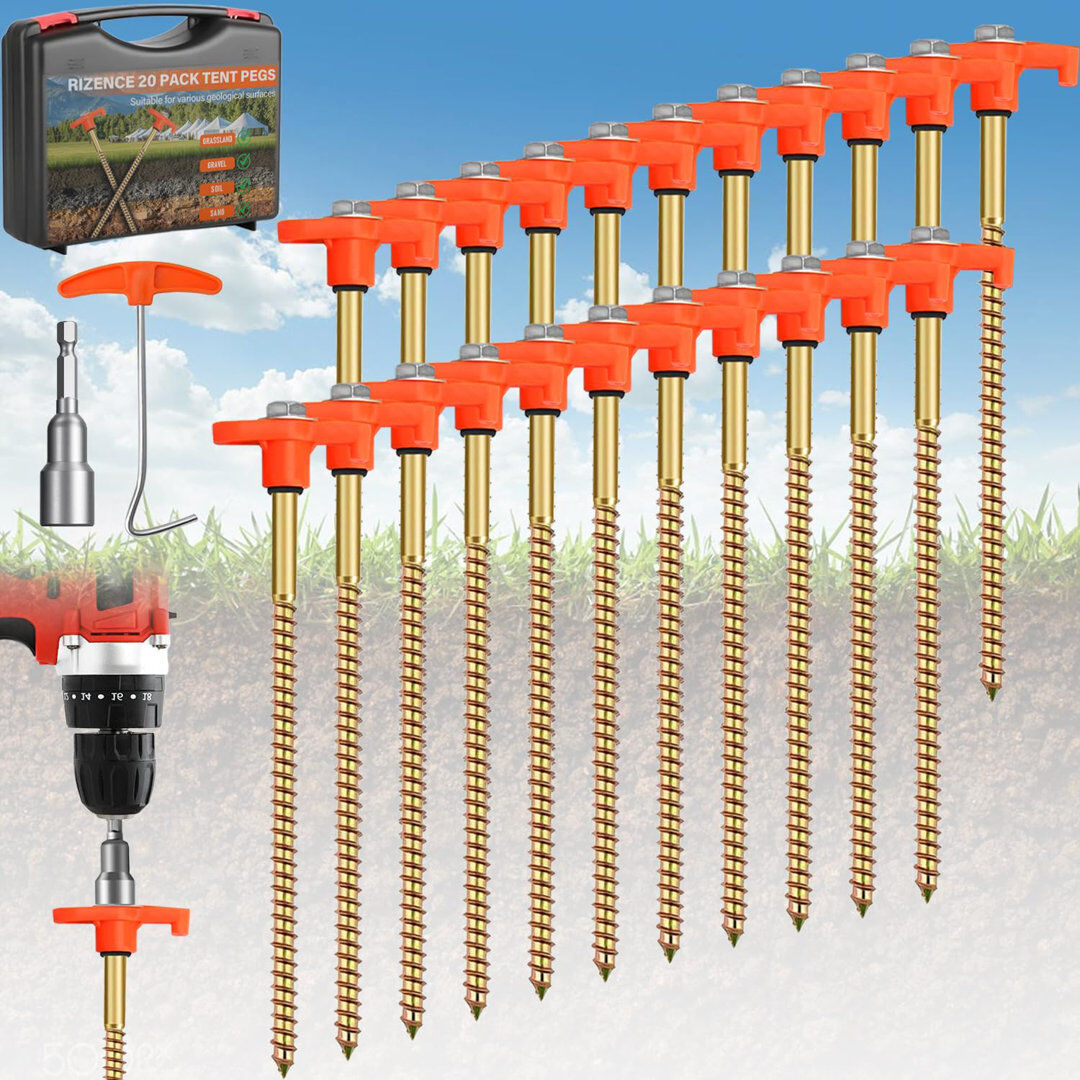
Chengdu Menghejia Technology Co., Ltd. Tent GoldTent Pegs set includes 20 x Tent Pegs, 1 x Hexagon socket, 1 x Tent peg puller, 1 x Portable carrying case. The camping pegs are 20cm long and 8mm in diameter, with thread details for stronger grip and adaptability to various surfaces Chengdu Menghejia Technology Co., Ltd.92,99 £*Shipping: 0,00 £Secure redirect to the provider

-
How does a job interview for a radiologic technologist position go?
A job interview for a radiologic technologist position typically involves questions about your education, experience, and technical skills related to operating imaging equipment. You may also be asked about your knowledge of radiation safety protocols and patient care. The interviewer may inquire about your ability to work in a fast-paced environment, handle stressful situations, and communicate effectively with patients and medical staff. It is important to showcase your technical expertise, professionalism, and commitment to providing high-quality patient care during the interview. **
-
Can you study medicine with a training as a radiologic technologist (MTRA)?
Yes, it is possible to study medicine with a background as a radiologic technologist (MTRA). Your experience in the field of radiology can provide you with valuable knowledge and skills that may be beneficial in medical school. However, you would still need to meet the specific requirements for admission to medical school, which typically include completing prerequisite courses in subjects like biology, chemistry, and physics, as well as taking the Medical College Admission Test (MCAT). Additionally, gaining clinical experience and demonstrating a strong academic record will also be important factors in your application to medical school. **
-
What does the daily work routine of a radiologic technologist look like?
A radiologic technologist's daily work routine typically involves preparing patients for imaging procedures, operating imaging equipment to capture diagnostic images, and ensuring the quality of the images produced. They work closely with radiologists to analyze images and provide accurate information for diagnosis and treatment. Radiologic technologists also maintain patient records, follow safety protocols to minimize radiation exposure, and may assist with administrative tasks such as scheduling appointments and managing equipment maintenance. **
-
What does the training to become a radiologic technologist (MTRA) look like in 2025?
In 2025, the training to become a radiologic technologist (MTRA) is likely to be more advanced and technology-driven. Students will receive comprehensive education in medical imaging techniques, radiation safety, and patient care. The curriculum may include courses on emerging imaging technologies, such as artificial intelligence and 3D printing. Hands-on training in clinical settings will continue to be a crucial component of the program to ensure students are well-prepared for the demands of the field. Additionally, there may be an increased emphasis on interdisciplinary collaboration and communication skills to provide holistic patient care. **

Software or hardware?
When deciding between software and hardware, it ultimately depends on the specific needs and goals of the user. Software provides flexibility, scalability, and ease of updates, making it ideal for tasks that require frequent changes or updates. On the other hand, hardware offers reliability, security, and performance for tasks that require high processing power or data storage. It is important to carefully evaluate the requirements of the project or task at hand to determine whether software or hardware is the best solution. **
'Software or hardware?'
The choice between software and hardware depends on the specific needs and goals of the user. Software provides flexibility and can be easily updated or customized, while hardware offers physical components that may be more reliable and provide better performance for certain tasks. Ultimately, the decision between software and hardware should be based on the specific requirements of the user and the intended use of the technology. **
Top-Angebote
Products related to Radiologic:
-
All Categories Goods LED Solar Security Light Dual Motion Sensor Outdoor Floodlight With LED Technology For Energy Efficient Illumination LED Solar Security Light Dual Motion Sensor Outdoor Floodlight With LED Technology For Energy Efficient IlluminationBrighten your outdoor space with the 1 pcs of 22 LED Solar Security Light, designed for maximum visibility and security. Powered by ecofriendly solar energy, this motion sensor floodlight activates when movement is detected, offering both...63,97 $*Shipping: 0,00 $Secure redirect to the provider
-
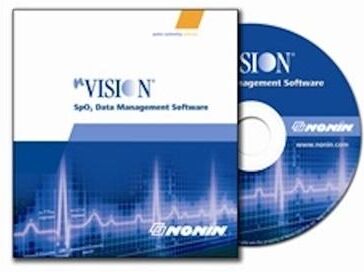
Nonin Medical nVision Data Management Software for Oximetry Screening""" nVision SpO2 Data Management Software Nonin's innovation in pulse oximetry has led to the development of an easy oximetry reporting solution nVISION. Designed to provide effortless viewing, professional analysis, report generation and reliable..."441,00 $*Shipping: 0,00 $Secure redirect to the provider
-
Concord Health Supply Wrist-Worn Pulse Oximeter with Digital Software Download and Download Cable""" Rechargeable Wrist-Worn Pulse Oximeter The wrist pulse oximeter features a color, multi-direction OLED screen with four levels of brightness. The easy-to-read color OLED display can be adjusted to be readable either horizontally or vertically. The..."109,00 $*Shipping: 0,00 $Secure redirect to the provider
-
Nonin Medical Nonin WristOx2 Starter Kit 3150SK USB Wrist-Worn Pulse Oximeter with nVision software and download cable""" Find this product at a lower published price from another authorized dealer? Give us a call: we will beat the price and give you a free fingertip pulse oximeter with your purchase. WristOx2 3150SK Wrist-Worn Pulse Oximeter Starter Kit A small,..."1199,00 $*Shipping: 0,00 $Secure redirect to the provider
-
How is the venous access performed as a radiologic technologist?
As a radiologic technologist, venous access is typically performed by inserting an intravenous (IV) catheter into a patient's vein. This is done to administer contrast media for various imaging procedures such as CT scans, MRI scans, and angiography. The technologist will first assess the patient's veins to determine the best location for the IV insertion. They will then clean the area, apply a tourniquet to help visualize the vein, and carefully insert the IV catheter. Once the catheter is in place, the technologist will secure it and ensure proper flow of contrast media during the imaging procedure. **
-
What does a typical workday look like for a radiologic technologist?
A typical workday for a radiologic technologist involves preparing patients for imaging procedures, operating imaging equipment to capture diagnostic images, and ensuring the quality of the images produced. They work closely with radiologists to analyze images and provide accurate information for diagnosis. Radiologic technologists also maintain patient records, follow safety protocols, and communicate with patients to ensure their comfort and understanding throughout the imaging process. Additionally, they may assist with administrative tasks and participate in continuing education to stay current with advancements in the field. **
-
How does a job interview for a radiologic technologist position go?
A job interview for a radiologic technologist position typically involves questions about your education, experience, and technical skills related to operating imaging equipment. You may also be asked about your knowledge of radiation safety protocols and patient care. The interviewer may inquire about your ability to work in a fast-paced environment, handle stressful situations, and communicate effectively with patients and medical staff. It is important to showcase your technical expertise, professionalism, and commitment to providing high-quality patient care during the interview. **
-
Can you study medicine with a training as a radiologic technologist (MTRA)?
Yes, it is possible to study medicine with a background as a radiologic technologist (MTRA). Your experience in the field of radiology can provide you with valuable knowledge and skills that may be beneficial in medical school. However, you would still need to meet the specific requirements for admission to medical school, which typically include completing prerequisite courses in subjects like biology, chemistry, and physics, as well as taking the Medical College Admission Test (MCAT). Additionally, gaining clinical experience and demonstrating a strong academic record will also be important factors in your application to medical school. **
Similar search terms for Radiologic
-
Graco Oasis Swing + Soothe Surround Technology - LandryNothing is better than Mom, but the Graco Soothe Surround technology mimics time-tested, proven methods that parents use to soothe their little ones within our Oasis Swing. Soothe Surround recreates these soothing techniques, like the middle of the...129,99 $*Shipping: 0,00 $Secure redirect to the provider
-
Chengdu Menghejia Technology Co., Ltd. Tent GoldTent Pegs set includes 20 x Tent Pegs, 1 x Hexagon socket, 1 x Tent peg puller, 1 x Portable carrying case. The camping pegs are 20cm long and 8mm in diameter, with thread details for stronger grip and adaptability to various surfaces Chengdu Menghejia Technology Co., Ltd.92,99 £*Shipping: 0,00 £Secure redirect to the provider
-
Bondbar Bonding Technology Lightener Highlighting Kit eachbondbar Bonding Technology Lightener Highlighting Kit provides the current bondbar Bonding Technology Lightener and 30v Creme Developer, designed to protect and hydrate hair bonds during the lightening process. Compared to traditional lighteners,...22,89 $*Shipping: 0,00 $Secure redirect to the provider
-
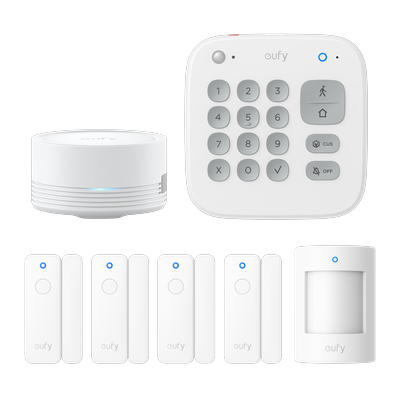
eufy Essential Security Bundle eufy Essential Security BundleYour Home's First Line of Defense: Covers key entry points—front/back doors and main entrances—with reliable detection and stronger long-range connectivity, helping keep your home protected around the clock. Proactive Protection, Instant Alerts³:...299,99 $*Shipping: 0,00 $Secure redirect to the provider
-
What does the daily work routine of a radiologic technologist look like?
A radiologic technologist's daily work routine typically involves preparing patients for imaging procedures, operating imaging equipment to capture diagnostic images, and ensuring the quality of the images produced. They work closely with radiologists to analyze images and provide accurate information for diagnosis and treatment. Radiologic technologists also maintain patient records, follow safety protocols to minimize radiation exposure, and may assist with administrative tasks such as scheduling appointments and managing equipment maintenance. **
-
What does the training to become a radiologic technologist (MTRA) look like in 2025?
In 2025, the training to become a radiologic technologist (MTRA) is likely to be more advanced and technology-driven. Students will receive comprehensive education in medical imaging techniques, radiation safety, and patient care. The curriculum may include courses on emerging imaging technologies, such as artificial intelligence and 3D printing. Hands-on training in clinical settings will continue to be a crucial component of the program to ensure students are well-prepared for the demands of the field. Additionally, there may be an increased emphasis on interdisciplinary collaboration and communication skills to provide holistic patient care. **
-
Software or hardware?
When deciding between software and hardware, it ultimately depends on the specific needs and goals of the user. Software provides flexibility, scalability, and ease of updates, making it ideal for tasks that require frequent changes or updates. On the other hand, hardware offers reliability, security, and performance for tasks that require high processing power or data storage. It is important to carefully evaluate the requirements of the project or task at hand to determine whether software or hardware is the best solution. **
-
'Software or hardware?'
The choice between software and hardware depends on the specific needs and goals of the user. Software provides flexibility and can be easily updated or customized, while hardware offers physical components that may be more reliable and provide better performance for certain tasks. Ultimately, the decision between software and hardware should be based on the specific requirements of the user and the intended use of the technology. **
* All prices are inclusive of VAT and, if applicable, plus shipping costs. The offer information is based on the details provided by the respective shop and is updated through automated processes. Real-time updates do not occur, so deviations can occur in individual cases. ** Note: Parts of this content were created by AI.